A USEFUL WAY TO COMPARE PLACES
Start with the shape of the trip
“Resort” can mean a historic village with lifts at its edge, a purpose-built base where accommodation clusters around the slopes, or a broad mountain area linked to several communities. Those differences matter. A group with mixed abilities may value a walkable centre and varied ways to spend an afternoon; a keen ski party may put lift connections and terrain variety higher on the list.
Large ski areas can offer a sense of exploration, with different mountain faces and villages to discover. They also ask more of a visitor: navigating lift connections, meeting up and returning to the right valley can take attention. Smaller resorts may feel easier to read and more personal, but a compact lift network can mean fewer alternatives when weather or ability levels vary. Neither format is automatically better; the right scale depends on the people travelling and the length of the stay.
Elevation, terrain and season
Elevation is one consideration in snow reliability, not a guarantee. Weather patterns, aspect, temperatures, precipitation and the resort’s ability to manage its slopes all play a part. A high base or upper mountain may offer different conditions from a lower village, but the season still varies from year to year. Before travelling, check current operating information and conditions directly with the resort rather than relying on a typical-season assumption.
Look at the range and distribution of terrain, not just a headline description. Ask whether beginner areas are convenient to reach, whether intermediate pistes connect naturally, and how advanced terrain fits your group. The distance between lodging, ski school meeting areas, lifts and equipment storage can shape an ordinary morning more than a dramatic panorama.
Village, purpose-built base or mountain hamlet?
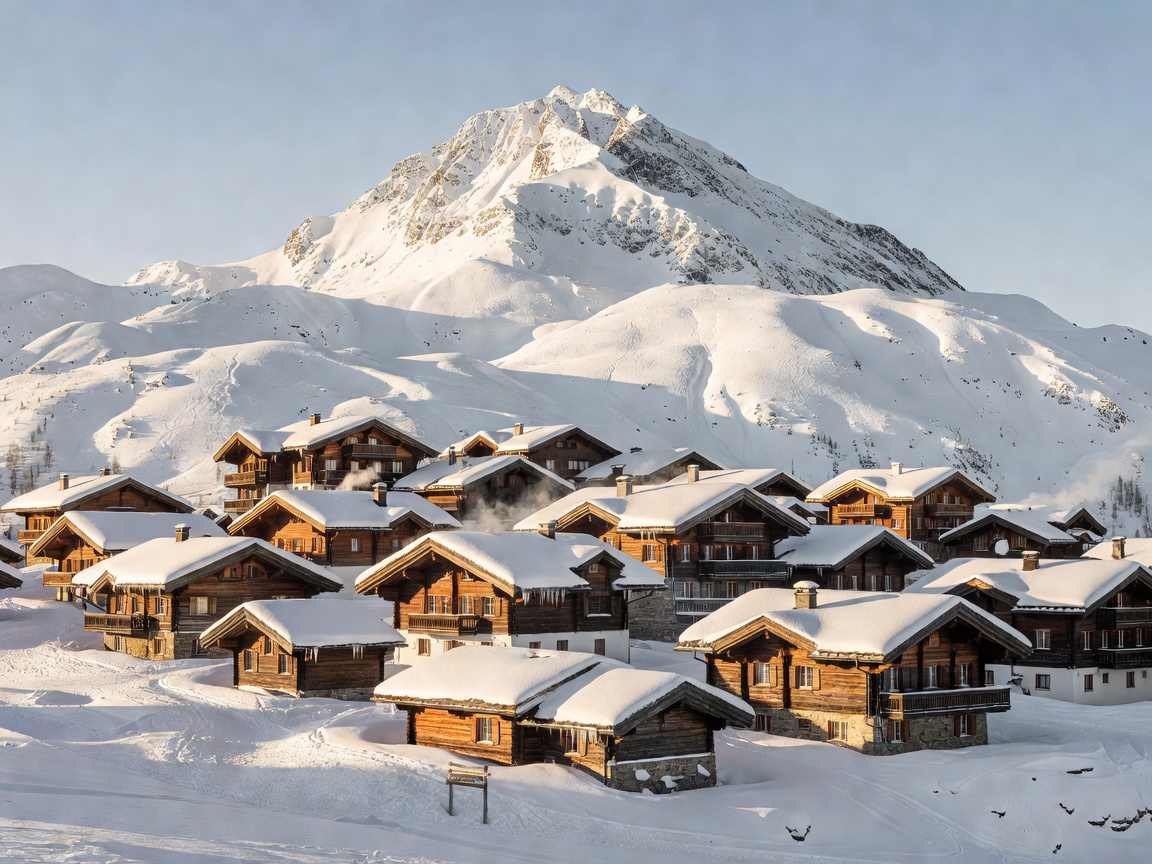
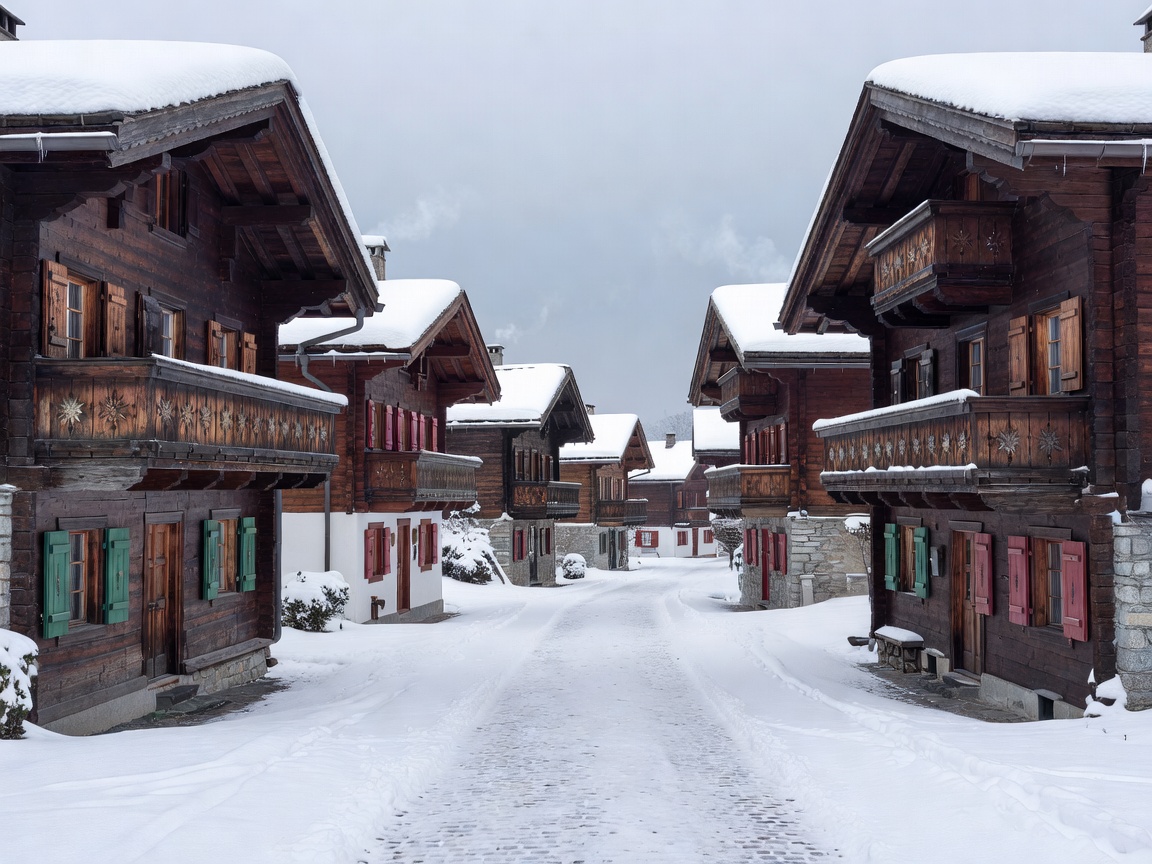
Traditional villages often bring a lived-in centre, local architecture and a clear evening destination. Their older street plans can mean stairs, slopes or a walk to the lift, so inspect the exact location of a property. Purpose-built resorts may make slope access straightforward and concentrate services near the base, while feeling quieter outside operating hours or less like a historic settlement. Smaller hamlets can offer calm and scenery but may rely on shuttle transport or a short drive for groceries and restaurants.
European regions also have distinct character. The French Alps contain both extensive linked areas and small village settings. Swiss destinations range from established mountain communities to larger resort bases. Austria is known for village-centred winter holidays in many valleys, while the Dolomites combine mountain scenery with a strong regional food and architectural identity. These are broad impressions, not rules; each place has its own layout and culture.
Match the place to the people
Families may appreciate compact beginner zones, straightforward transport and accommodation where children can rest between activities. Couples might prioritise walkable dining and a quieter base. Groups often benefit from clear meeting points, convenient storage and a mix of activities. Beginners can look for lessons and learning areas that do not require an intimidating journey onto the mountain. Experienced skiers may focus on terrain variety, lift access and local guidance for conditions.
Consider the whole season, too. Early and late winter can differ from mid-season, and opening arrangements change. Shoulder dates may affect which lifts, services and restaurants are operating. Check the resort’s current calendar, travel options and property details before confirming plans.
Good for
Travellers comparing destination scale, village mood, mountain access and the right balance of skiing and off-slope time.
What to know
Confirm current lift operations, transport, snow and weather conditions, opening dates, lesson arrangements and exact accommodation location.
Advantages
Europe offers a wide mix of mountain cultures, resort layouts, food traditions and winter activities in a relatively compact region.
Limitations
Conditions, access and services vary. A scenic listing or resort-wide description cannot tell you what a specific street or property feels like.
A simple shortlist
Before choosing, write down what matters most: easy lift access, a traditional village, a quiet stay, varied terrain, family facilities, restaurant choice or non-ski activities. Then compare real locations rather than broad resort labels. Review official resort information for current operations and contact accommodation providers directly for details that affect your stay.
For terrain planning, visit Skiing & Snowboarding. For accommodation location, read Hotels & Chalets, then consider the practicalities in Equipment & Facilities.
HAVE A QUESTION?