TERRAIN, IN PLAIN ENGLISH
Choose the day you want to have
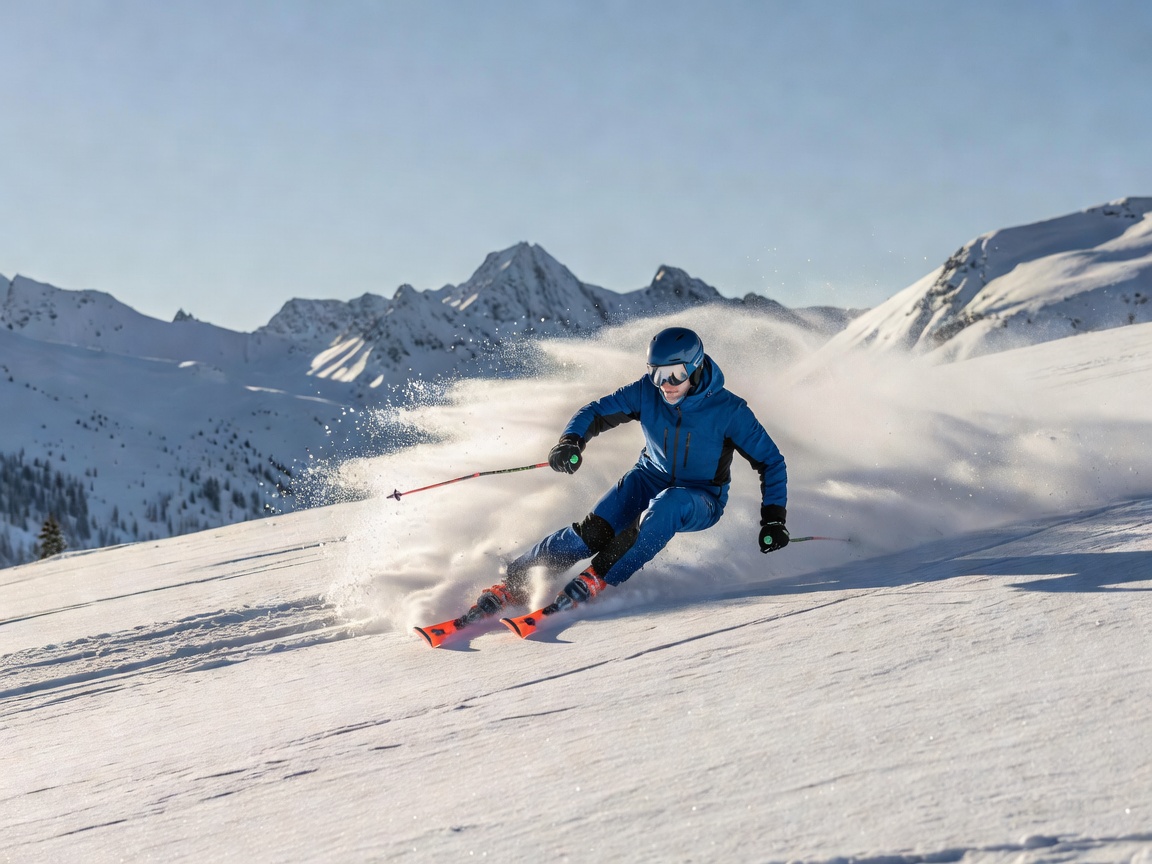
Piste skiing takes place on marked runs that are generally maintained for resort use. Colour grades offer a quick indication of difficulty, but grading conventions differ by country and do not replace a look at the actual slope. A beginner area is usually designed for learning, while easier pistes let new skiers build confidence. Intermediate runs are often longer or steeper; advanced pistes can be demanding and may include narrow, steep or variable sections.
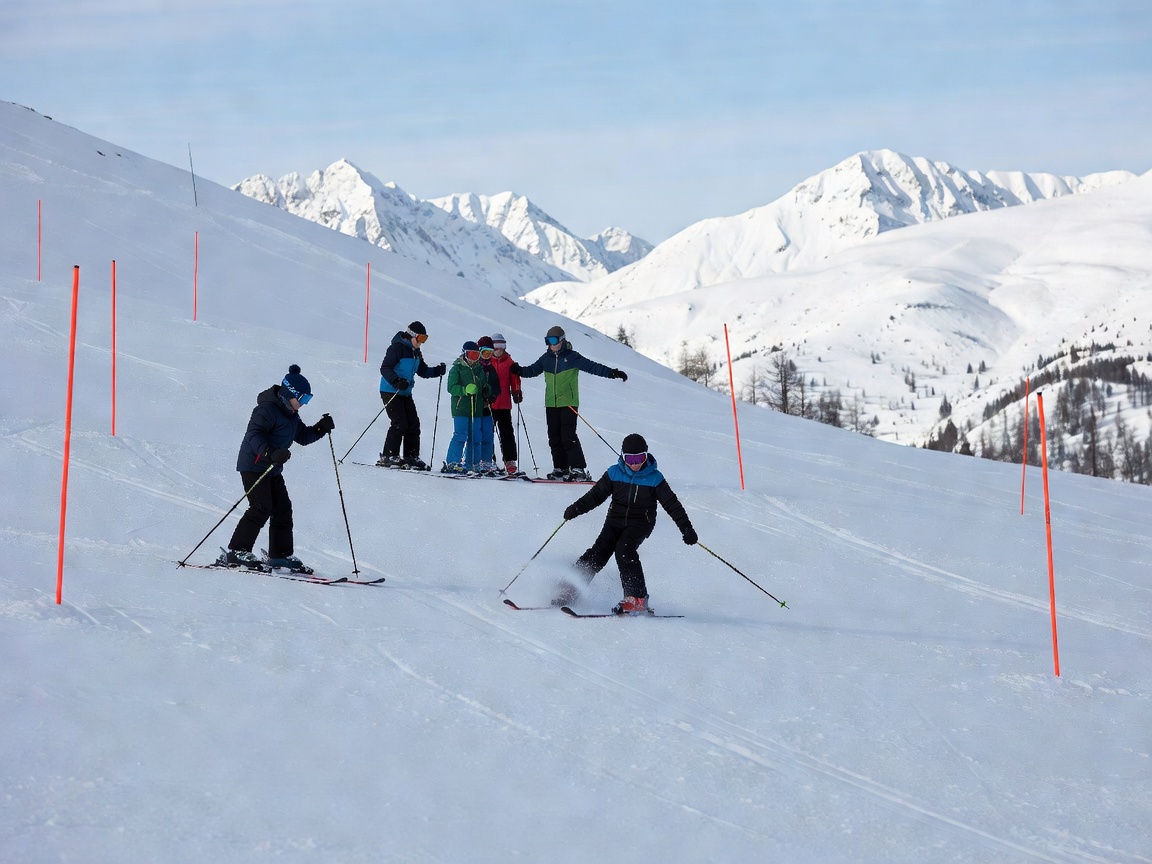
For a first trip, match the mountain to the least experienced person in the group. Look for a clearly described learning zone, convenient lift access and lessons with qualified instructors. A gentle run that is easy to reach is often more useful than a large map full of choices. Ski schools and meeting arrangements vary; check official resort and school information before booking.
Snowboarders and mountain features
Snowboarding shares the same broad mountain environment as skiing, but equipment, stance and movement differ. Some lifts and narrow traverses can feel different on a board; ask a local instructor or resort information team about the most convenient routes for your level. Terrain parks may include shaped features intended for freestyle riding. Their features are graded by difficulty and should only be approached at a level appropriate to your experience, with protective equipment and an understanding of park rules.
“Freeride” generally refers to riding away from groomed pistes, but it can cover a range of settings and risks. Unmarked or off-piste terrain is not simply an extension of a marked run. Snow stability, avalanche exposure, visibility and access can change quickly. This guide is not an instruction manual: seek qualified local guidance, check current official conditions and use appropriate training and equipment. Do not enter terrain beyond your ability or without understanding the hazards.
Conditions change the character of a run
Grooming is the overnight preparation of pistes. It can make a run smoother, but the surface changes through the day as traffic and weather affect it. Fresh snowfall, hard surfaces, soft snow and icy patches all demand different judgement. Wind can affect exposed ridges and lift operations; cloud, snowfall and flat light can make it harder to read the slope. Temperature and aspect also influence how snow feels.
Elevation and aspect describe where a slope sits and which direction it faces. Higher or shaded terrain can experience different conditions from a sunny lower slope, but no single factor predicts the day. Read resort updates, observe conditions carefully and make conservative choices. Visibility, fatigue and crowding deserve as much attention as the run’s grade.
Plan around lifts, lessons and equipment
A lift network connects the base, pistes and mountain sectors. Gondolas, chairlifts and surface lifts have different boarding routines, and access requirements may vary. If you are new to a lift type, ask staff for help. Confirm which areas are operating on the day, since wind, weather and maintenance can affect service. A trail map helps with orientation but is not a live guarantee of conditions.
Rent equipment from a reputable local provider and allow time for a proper fit. Boots should feel secure without causing numbness or pain; ask staff to make adjustments rather than trying to compensate yourself on the hill. Helmet use, suitable clothing, eye protection and gloves are sensible parts of a day out. Lessons can help with technique, mountain etiquette and confidence.
Compare your options honestly
A broad linked ski area can suit confident skiers who enjoy exploring, while a compact resort may make daily navigation less complicated. A terrain park is a draw for some riders but irrelevant to others. The best resort for a mixed group is often one with useful alternatives and straightforward meeting points rather than the longest list of runs.
Good for
Beginners planning lessons, mixed-ability groups, piste skiers and snowboarders comparing lift access and terrain variety.
What to know
Check current piste and lift status, weather, school availability, local rules and equipment requirements before heading out.
Advantages
Marked terrain, instruction and resort services can make mountain days accessible across a range of experience levels.
Limitations
Grades are broad guides, conditions change, and a map cannot replace judgement or qualified instruction.
For the bigger destination picture, read Winter Ski Resorts. Check practical planning in Equipment & Facilities and see our guide to Après-Ski, Dining & Wellness.
A QUESTION ABOUT YOUR PLANS?